
10 Mistakes to Avoid When Installing Gutters
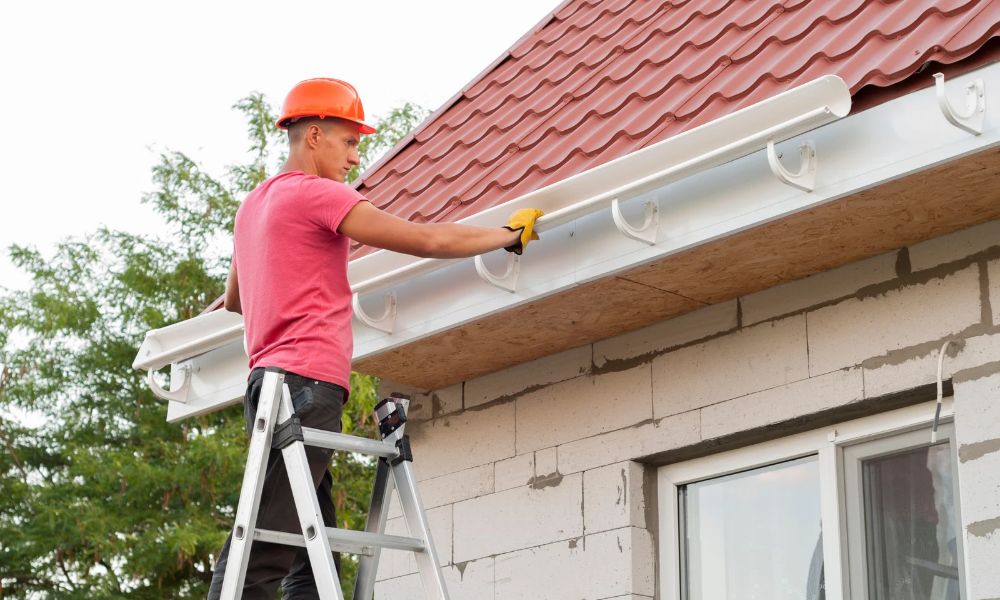
Gutters may look simple, but a small mistake during installation can cause big problems later. Poor placement, the wrong slope, loose fasteners, or blocked downspouts can leave water pooling around your home instead of moving away from it.
A properly installed gutter system helps control rainwater and protects areas such as the roof edge, siding, foundation, and landscaping. If you are planning a new system, knowing what can go wrong is a good place to start.
Here are 10 common gutter installation mistakes homeowners should avoid.
1. Choosing the Wrong Gutter Size
Not every home needs the same gutter size. The size of the roof, roof pitch, and amount of rainfall your area receives can all affect how much water the gutters need to handle.
Installing gutters that are too small can cause water to spill over during heavy rain. A suitable size should be selected based on the needs of the home rather than appearance alone.
2. Installing Gutters Without Enough Slope
Gutters need a slight slope so rainwater can move toward the downspouts. If they are completely level, water can sit inside the gutter.
Too much slope can also be a problem. It may make the system look uneven and can affect how well water is collected. The slope should be enough to keep water moving without making the gutter line look noticeably tilted.
For homeowners planning a new system, professional gutter installation in Virginia Beach, VA can help ensure the gutters are positioned and sloped correctly.
3. Using Too Few Fasteners
Gutters carry water, leaves, and other debris. They need enough support to stay firmly attached to the fascia.
Using too few fasteners can cause gutters to sag or pull away from the house over time. Fasteners should be spaced properly and attached to solid material for dependable support.
4. Ignoring the Fascia Behind the Gutter
The fascia board supports the gutter system, so its condition matters before installation begins.
If the wood is soft, cracked, or damaged by moisture, attaching a new gutter directly to it may not solve the problem. The damaged area may need to be repaired first.
5. Placing Downspouts in the Wrong Locations
A gutter can collect water properly and still fail to protect the home if the downspouts are poorly placed.
Downspouts should direct water toward suitable drainage areas. Water should not be released right beside the foundation, where repeated runoff can contribute to damp soil and other drainage concerns.
6. Forgetting About Roof and Gutter Alignment
Gutters should sit in a position where they can catch water coming from the roof without being too far below the roof edge.
If they are installed too low, fast-moving rainwater may overshoot the gutter. If they are placed too high, they may interfere with the roof edge or become more vulnerable to damage.
7. Failing to Plan for Corners and Seams
Corners, joints, and seams need careful attention during installation. Poorly connected sections can become weak points where water may leak.
Seamless gutters can reduce the number of joints along long runs, but corners and connection points still need to be fitted correctly.
8. Skipping Gutter Guards When They Make Sense
Leaves, twigs, and roof debris can collect inside gutters and restrict water flow. For homes surrounded by trees, this can mean more frequent cleaning.
Gutter guards are not necessary for every property, but they can be useful in the right situation. Homeowners considering this option can learn more about gutter guard installation in Virginia Beach before deciding what works for their home.
9. Forgetting About the Downspout Outlet
A downspout needs a clear path for water to leave the system. Simply attaching a downspout to the gutter is not enough.
The outlet should be checked for proper connection, and the bottom of the downspout should direct water away from the house. Extensions or other drainage solutions may be needed depending on the property.
10. Choosing Appearance Over Function
Gutters can add to the finished look of a home, but appearance should not be the only consideration.
The system also needs to handle rainwater, stay securely attached, and work with the roof and drainage layout. A gutter that looks good but does not move water properly can create more trouble than it prevents.
FAQs About Gutter Installation
During rainfall, water should flow smoothly through the gutters and into the downspouts without major overflow or standing water. The gutters should also remain firmly attached without visible sagging.
Gutters need a slight slope toward the downspouts. The exact amount can depend on the gutter length and layout, so it is best to follow the installation requirements for the specific system.
Gutter guards can reduce the amount of leaves and debris that enter gutters. They can be particularly useful for homes near trees, but the best option depends on the property and type of debris it receives.
Gutter installation is often planned around roofing work. If the roof or fascia is being replaced, it makes sense to consider the gutter system at the same time so both parts work together properly.
A Gutter System Should Do More Than Look Good
Gutter installation is about directing rainwater where it needs to go. Avoiding simple mistakes with sizing, slope, fasteners, downspouts, and drainage can help your system work properly for years.
For homeowners in Hampton Roads, Gutters Matter provides gutter installation, repair, cleaning, gutter guards, and related exterior drainage solutions. We focus on practical recommendations and workmanship suited to the needs of each property.