
Complete Guide to Gutter Installation for Homeowners
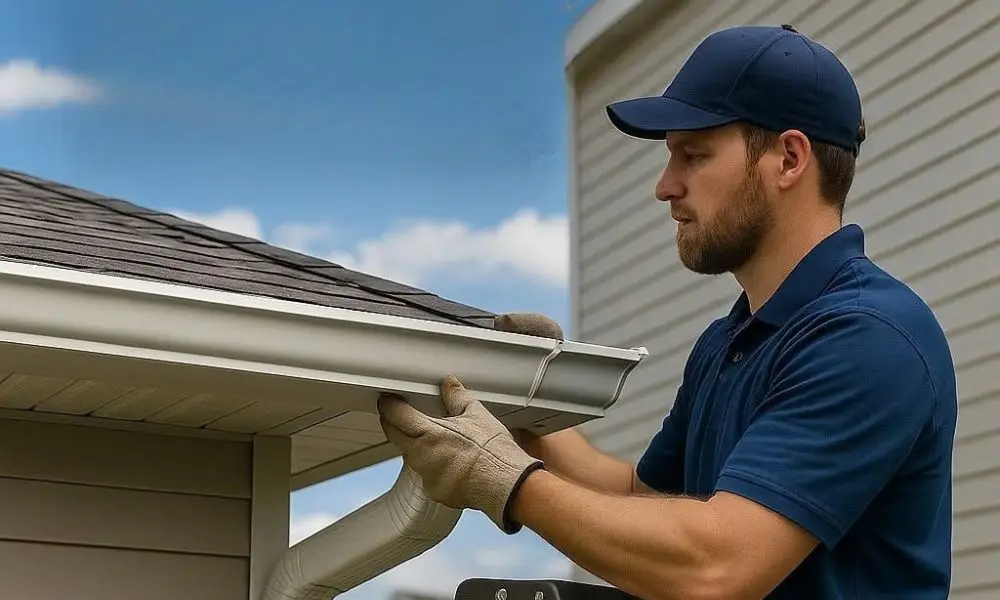
Your gutters do more than collect rainwater. They direct water away from your roof, walls, foundation, landscaping, and other parts of your home that can be damaged by constant moisture.
For homeowners in Virginia Beach and across Hampton Roads, a properly installed gutter system can be especially useful during periods of heavy rain. But choosing the right gutters is not simply about picking a color and putting them on the roof. The size, material, slope, placement, and drainage plan all matter.
This guide explains what homeowners should know before investing in new gutters.
Why Is Proper Gutter Installation Important?
When gutters are installed correctly, rainwater flows away from the home instead of pooling around it.
Poorly installed or damaged gutters can allow water to overflow or drain too close to the foundation. Over time, this may contribute to soil erosion, basement or crawl-space moisture, damaged landscaping, and staining around the exterior.
A professional installation also helps ensure that gutters are securely attached and positioned to handle the amount of water coming from the roof.
For homeowners considering new gutters, professional gutter installation services can help create a system that fits the home’s roof design and drainage needs.
How to Choose the Right Gutter System
1. Gutter Material
Common options include aluminum, steel, copper, and vinyl.
Aluminum is popular for residential properties because it is lightweight, resistant to rust, and available in many colors. Steel is stronger but can be heavier and may require more maintenance. Copper has a distinctive appearance but usually comes at a higher price.
2. Gutter Size
Gutter size should match the roof and the amount of rainfall the system needs to manage.
Larger roofs, steep roof sections, and areas where several roof slopes meet may require larger gutters or additional downspouts. Simply choosing the smallest or cheapest option may lead to overflow during heavy rain.
3. Seamless vs. Sectional Gutters
Sectional gutters are made from shorter pieces joined together. Each connection creates another potential point for leaks.
Seamless gutters are formed to the required length at the installation site, which reduces the number of joints along the system. They are a common choice for homeowners who want a cleaner appearance and fewer seams to maintain.
What Happens During Gutter Installation?
A typical installation involves several important steps.
- Inspection: The roofline, fascia, existing gutters, and drainage areas are checked.
- Planning: The installer determines gutter placement, slope, downspout locations, and suitable materials.
- Removal: Old or damaged gutters may be removed if they are being replaced.
- Preparation: Fascia and soffit areas are inspected for any damage before installation. If repairs are needed, they are discussed with the homeowner and quoted separately.
- Installation: Gutters and downspouts are securely fitted to the home.
- Testing: The system is checked to make sure water can move through the gutters and discharge properly.
How Much Does Gutter Installation Cost?
The cost of new gutters varies from one property to another.
Factors that can affect the final price include:
- The total length of the gutter system
- Gutter material
- Gutter size
- Number of downspouts
- Roof height and accessibility
- Removal of an existing system
- Gutter guards or other additions
- Any necessary fascia or soffit repairs
Rather than choosing an installer based only on the lowest quote, homeowners should compare the materials being used, installation method, drainage plan, warranty terms, and scope of work.
How to Keep New Gutters in Good Condition
New gutters still need regular care.
Leaves, pine needles, dirt, and other debris can build up inside the system and restrict water flow. Downspouts can also become blocked, causing water to back up and overflow.
A simple maintenance routine can include:
- Checking gutters after major storms
- Removing visible debris
- Checking downspouts for blockages
- Looking for sagging or loose sections
- Watching for water pooling near the foundation
- Inspecting the system for leaks or rust
If gutter cleaning becomes difficult or unsafe because of roof height, professional maintenance is often the better option.
Conclusion
Gutters are a relatively small part of a home, but they play an important role in protecting the property from rainwater. The right system should fit the roof, handle local rainfall, drain water away from the foundation, and be installed securely.
For homeowners in Virginia Beach and surrounding Hampton Roads communities, Gutters Matter can help with gutter installation, cleaning, repairs, gutter guards, and related exterior drainage needs.
Frequently Asked Questions
There is no single replacement schedule for every home. Material quality, installation, weather exposure, maintenance, and existing damage all affect gutter life. Persistent leaks, sagging, rust, or repeated overflow can be signs that replacement should be considered.
Gutter guards can help reduce the amount of leaves and debris entering the system. However, they do not make gutters maintenance-free. The right option depends on the surrounding trees, roof, and gutter design.
Frequent overflowing during rain, water spilling over the front edge, and pooling around the home can indicate that the system is not handling water properly. The problem could also be caused by clogged gutters, poor slope, or inadequate downspouts.
A properly designed gutter and downspout system helps move roof water away from the home. While it cannot prevent every foundation issue, effective drainage can reduce the amount of water collecting near the foundation.